Bed Bug Hotspots in Newark, NJ — Neighborhoods Most Affected in 2026
Quick Answer
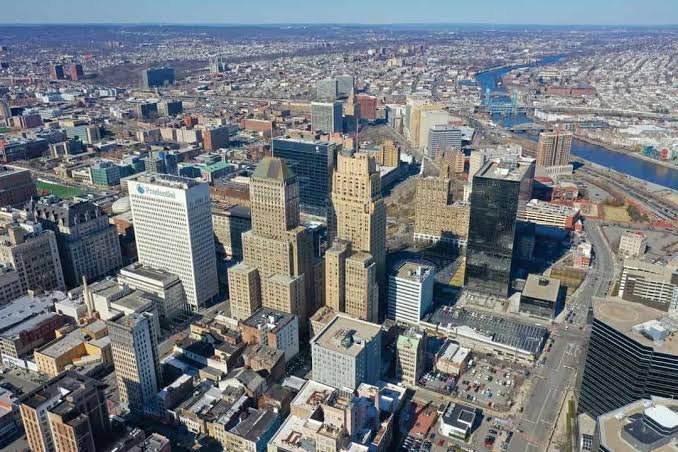
The neighborhoods in Newark, NJ with the highest bed bug rates in 2026 are the Ironbound, Downtown Newark, the Central Ward, the North Ward, and South Ward. These areas have the highest concentration of pre-war multi-family housing, the densest renter populations, and the greatest exposure to Newark Penn Station transit traffic, all of which accelerate bed bug spread.
Newark’s bed bug problem is not evenly distributed. Certain neighborhoods see significantly higher rates because of the specific combination of housing age, building density, renter turnover, and transit exposure that drives infestations. Understanding which neighborhoods are most affected helps residents know their risk level and take earlier action when they notice the first signs.
This post covers the neighborhoods where we see the highest call volume, explains why each area is elevated, and gives practical advice for residents. If you are in any of these areas and notice unexplained bites or stains on your bedding, do not wait. A free inspection from Specialized Bed Bug Solutions confirms what you have before the problem spreads.
The Ironbound (East Ward)
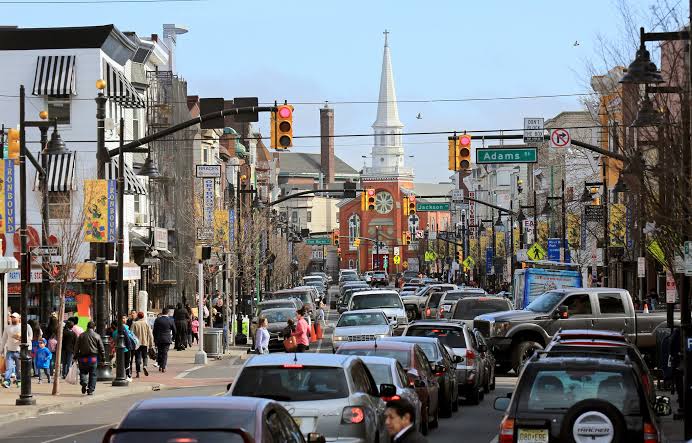
The Ironbound is Newark’s most densely packed residential neighborhood. The row houses and converted multi-family dwellings that line the streets here were built primarily in the early twentieth century, and the shared wall construction means a bed bug infestation in one unit has very direct access to adjacent homes. Renter turnover in the Ironbound is significant, with many residents moving in and out of the neighborhood as family situations and employment change.
The proximity to Newark Penn Station is a major factor. Commuters and travelers carry bed bugs unknowingly in luggage and bags, and the Ironbound’s dense residential streets surrounding the station create an easy pathway from transit corridors into residential buildings. We see a high proportion of calls from multi-unit buildings in the Ironbound where one tenant’s complaint reveals a building-wide problem.
Downtown Newark
Downtown Newark combines high-rise residential buildings, converted loft apartments, and older commercial buildings that have been converted to residential use. The high-rises present a specific challenge: elevator corridors and laundry facilities are common areas where bed bugs move between floors. A single infested unit can seed multiple surrounding units within weeks.
The hotel and short-term rental activity concentrated around the downtown core and near Newark Penn Station adds a commercial infestation vector that residential-only neighborhoods do not have. Hotel guests arriving from high-infestation cities bring bed bugs that can move into surrounding residential buildings.
North Ward
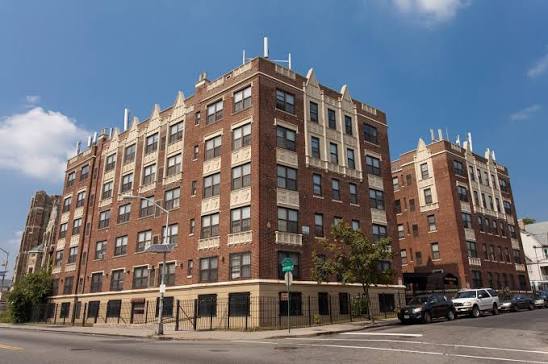
The North Ward contains a mix of pre-war apartment buildings and large multi-family properties with high occupancy rates. Renter turnover is elevated compared to Newark’s more stable residential neighborhoods, and the older housing stock here shares the same construction vulnerabilities as the Ironbound. Wall voids, pipe chases, and the irregular construction of buildings from the 1920s and 1930s provide bed bugs with extensive hidden harborage.
Central Ward
The Central Ward has a high concentration of older multi-family housing and subsidized apartment complexes. High-density buildings with many units create a fast-spreading environment. A building-wide infestation in the Central Ward can be particularly challenging because coordinating treatment across multiple units and their occupants requires property management involvement, which does not always happen quickly.
South Ward
The South Ward has neighborhoods like Weequahic with primarily pre-war construction. The housing density is lower than the Ironbound but still significantly higher than suburban Essex County, and the age of the housing stock creates the same vulnerability to unit-to-unit spread through shared building systems.
Roseville and Mount Pleasant
Roseville and Mount Pleasant are transitional neighborhoods with a mix of single-family homes and converted multi-family dwellings. The housing here sees moderate bed bug rates. Single-family homeowners in these neighborhoods are not immune, particularly those who purchased or rented properties where previous occupants had an untreated infestation.
Forest Hill and Vailsburg
Forest Hill and Vailsburg have more single-family housing than the core Newark neighborhoods. Bed bug rates are lower here, but not absent. Used furniture purchases, travel, and visits from friends or family with infestations are the primary introduction sources in these neighborhoods. Residents in Forest Hill and Vailsburg who notice unexplained bites should still call for an inspection before assuming it is something else.
West Side and Springfield-Belmont
These neighborhoods have moderate density and a mix of housing ages. Bed bug rates are elevated in the older multi-family sections and lower in the sections with single-family housing from the mid-twentieth century. The transit exposure in the West Side is lower than neighborhoods close to Penn Station, but renter turnover remains a contributing factor.
What Drives High Rates in These Neighborhoods
Three factors consistently elevate bed bug rates in Newark neighborhoods: housing age and construction type, renter turnover, and transit exposure. The Ironbound and downtown areas score highest on all three. Pre-war brick construction with shared wall systems enables fast spread. High renter turnover means infested furniture and belongings move through the neighborhood constantly. Newark Penn Station’s connection to the entire NJ Transit rail network and the PATH system creates a daily influx of travelers from high-infestation areas throughout the region.
Newark Liberty International Airport is a secondary factor. Travelers arriving from international destinations with high bed bug rates can introduce infestations to the city through hotels and short-term rentals before they ever reach a residential building.
Practical Advice for Residents in High-Rate Areas
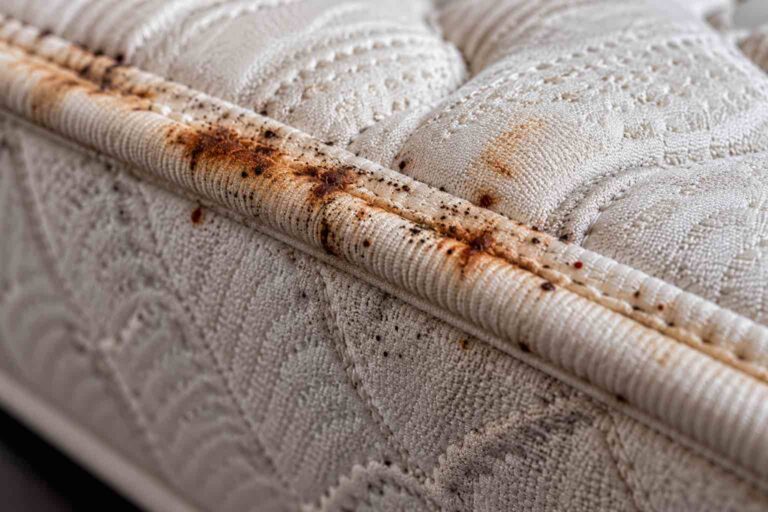
If you live in the Ironbound, downtown, Central Ward, or North Ward, the following practices reduce your risk. Inspect secondhand furniture before bringing it into your home. Use mattress and box spring encasements. Check your mattress seams and baseboards any time you return from a trip. When a neighbor reports an infestation in your building, call for an inspection of your own unit promptly. Early-stage infestations are significantly easier and less expensive to treat than established ones.
When you are ready to call for an inspection, the bed bug inspection page covers what to expect. If you have already confirmed an infestation, the bed bug removal page explains the full removal process. The EPA bed bug resource page provides additional background on identification and treatment methods.
Frequently Asked Questions
The Ironbound, Downtown Newark, the Central Ward, and the North Ward consistently see the highest rates. These areas combine pre-war multi-family construction, high renter turnover, and proximity to Newark Penn Station. The South Ward and Roseville are also elevated compared to surrounding Essex County communities.
It is a contributing factor rather than a direct cause. Bed bugs do not live on trains, but they travel in luggage and bags. The constant movement of commuters and travelers through Penn Station increases the frequency with which infested belongings pass through surrounding neighborhoods. The risk is highest in areas with both transit proximity and high-density multi-family housing, which describes much of the Ironbound and downtown Newark.
Immediately. In Newark’s pre-war apartment buildings, bed bugs can move from one unit to an adjacent unit within days through shared wall voids. An early-stage infestation caught before it spreads is much less expensive and disruptive to treat. Call for a free inspection as soon as you learn a neighboring unit is affected, even if you have not noticed any signs yet.

Service Area
Serving Newark and all Essex, Hudson, and Union County communities.