How to Prepare Your Newark Home for Bed Bug Treatment — What to Do and What Not to Do
Quick Answer
To prepare your Newark home for bed bug treatment, launder all bedding and clothing on high heat and seal it in bags, clear access to baseboards and furniture, remove heat-sensitive items for heat treatment only, and do not move belongings between rooms. Moving items spreads bed bugs to untreated areas and is the most common preparation mistake that causes treatment to fail.
How well you prepare your home before treatment day has a direct effect on whether the treatment works the first time. Incomplete preparation is the most common reason a bed bug treatment produces a partial result, and it is entirely preventable. This guide covers the specific steps for both heat treatment and chemical treatment, explains what preparation looks like in Newark’s compact apartment spaces versus a single-family home, and covers the mistakes that most often lead to callbacks.
Preparing for Heat Treatment
Heat treatment preparation is different from chemical treatment preparation in one important way: the goal with heat is to leave as much as possible in place so the heat can penetrate it. You are not clearing out your belongings. You are removing the specific items that cannot tolerate temperatures of 120 to 140 degrees Fahrenheit.
Items to Remove Before Heat Treatment
The following must be removed from the treatment area before the heating equipment turns on.
- Candles, crayon boxes, and wax-based items
- Aerosol cans including hairspray, cooking spray, and cleaning products
- Medications that specify storage below a certain temperature — check the label
- Vinyl records, audio cassettes, and VHS tapes
- Musical instruments especially guitars and violins with lacquered finishes
- Fine art pieces with heat-sensitive materials or adhesives
- Houseplants and fresh flowers
- Perishable food and anything in the refrigerator is fine but open bottles or canned goods near heat sources should be checked
- Electronics the manufacturer specifies as heat-sensitive — laptops with battery warnings, certain medical devices
- Pets, fish tanks, and terrariums
Do not remove clothing, bedding, furniture, pillows, or boxes of belongings unless specifically instructed. The heat needs to penetrate these items. Removing them creates untreated areas where bed bugs survive.
What Not to Move During Heat Treatment Prep
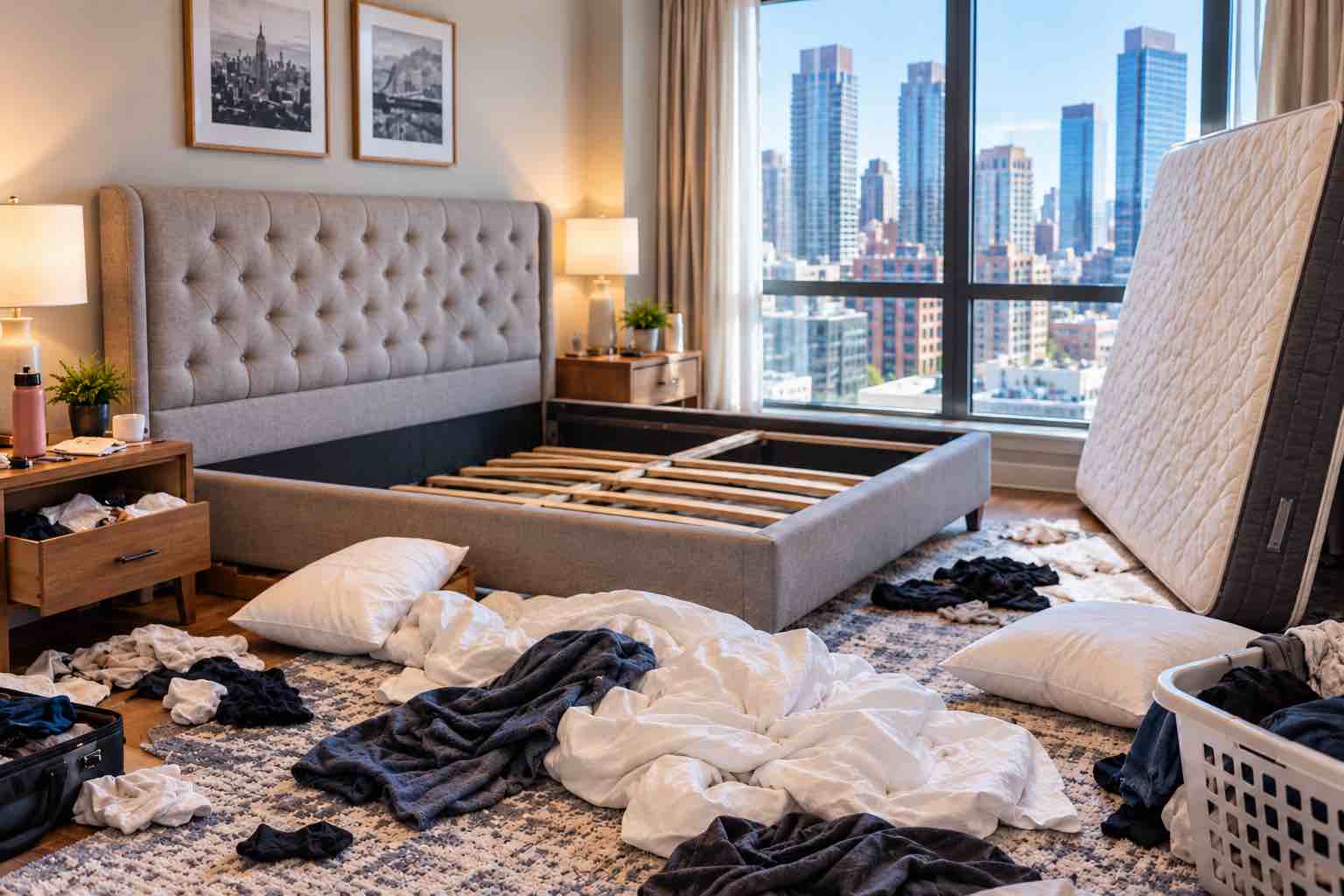
This is where many Newark apartment residents make the most damaging mistake. Do not move your belongings to another room, a neighbor’s unit, a storage facility, or the hallway while waiting for treatment. Bed bugs travel on anything they can hide in, including boxes, bags, and clothing. Moving infested items out of the treatment area before heat is applied distributes the infestation to new locations. Treat the items where they are.
Heat Treatment Preparation in a Newark Apartment
In a Newark pre-war apartment, space is typically limited and furniture is close together. This actually works in favor of heat treatment: air circulation is sufficient in most apartment sizes to reach treatment temperature throughout the space. What matters most in a compact apartment is making sure the technician has access to run equipment power lines to the nearest suitable electrical connection without obstruction, and that floor space is clear enough to position the heating units correctly. Your technician will confirm the specific setup requirements during the inspection visit.
Preparing for Chemical Treatment
Chemical treatment preparation involves more active steps than heat treatment. The goal is to give the insecticide direct access to harborage points and to ensure that freshly laundered items do not reintroduce bugs to treated areas.
Laundering Clothing and Bedding
Wash and dry all bedding, pillowcases, clothing in the bedroom, stuffed animals, and curtains on the highest heat setting appropriate for the fabric. The dryer heat is more important than the wash: 30 minutes on high heat in the dryer kills all bed bug life stages in laundered items. After drying, seal everything in clean plastic bags or sealed storage bins and do not open them until after treatment is complete and the room is cleared.
Clearing Access to Baseboards and Furniture
Chemical treatment requires the technician to apply insecticide along baseboards, under furniture, and at harborage points throughout the bedroom and adjacent spaces. Pull all furniture at least 12 inches from the walls. Empty the areas under and behind beds. Clear out the undersides of nightstands. Closets should be accessible: remove items from the closet floor and provide access to the closet baseboard.
Preparing for Chemical Treatment in a Newark Apartment vs a Single-Family Home
In a compact Ironbound apartment, preparation often means temporarily relocating some furniture into a hallway or another room to give the technician working room. In a larger single-family home in Vailsburg or Forest Hill, the preparation involves the same steps per room but with more square footage to cover. The critical point in either case is not to move items with potential bed bug activity to areas that are not being treated. Sealing everything in bags after laundering prevents any movement of bugs through the preparation process.
Common Preparation Mistakes
Moving Items to Another Room
Already covered above but worth repeating: moving infested or potentially infested items to another room before treatment spreads the infestation and guarantees an incomplete result. Seal items in bags. Do not relocate them.
Treating Yourself Before the Professional Arrives
Using store-bought sprays, diatomaceous earth, or other DIY products before professional treatment can alter bed bug behavior and cause them to scatter into wall voids and new locations before the professional treatment is applied. If you have already treated with a DIY product, tell the technician when you call. It affects the inspection and the treatment recommendation.
Not Completing the Pet Steps
For chemical treatment, pets need to leave the unit during treatment and for a specified period after. This is not optional. Pets walking through fresh insecticide treatment or sleeping on treated surfaces before they dry is both a safety concern and a reason the product cannot finish drying correctly.
What to Do with Electronics and Personal Items
For heat treatment, laptops and tablets should be removed along with other heat-sensitive electronics. For chemical treatment, electronics stay in place. In both cases, unplug electronics and appliances near the treatment area to reduce fire hazard and facilitate technician access. Do not pack electronics into bags and seal them, as that traps bed bugs with a warm host item.
What to Do with Food
For heat treatment, food that is in sealed cans or jars in cabinets away from the heat source is generally fine. Perishables should be temporarily stored in a cooler outside the treatment area. For chemical treatment, food in the kitchen should be sealed or placed in closed cabinets and the technician focuses the application on bedroom areas, so kitchen food preparation areas are rarely directly affected.
For the complete treatment process including what happens on treatment day and at the follow-up visit, read the treatment process page. The heat treatment page covers heat-specific details in full.
Frequently Asked Questions
For heat treatment: remove heat-sensitive items listed in your preparation checklist and leave everything else in place. For chemical treatment: launder all bedding and clothing on high heat and seal in bags, clear access to baseboards and furniture, and remove pets during treatment. In both cases, do not move belongings to other rooms. Your specific preparation checklist is provided after the inspection.
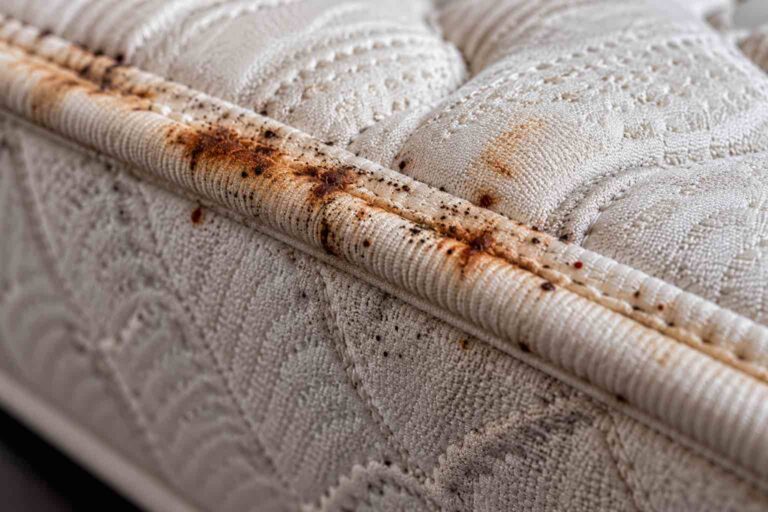
No. Heat treatment kills bed bugs in the mattress in place. Throwing the mattress out while the rest of the room is untreated does nothing to solve the problem and risks spreading bugs to the building’s common areas during removal. Install mattress encasements after a successful treatment to protect the mattress long-term.
For chemical treatment, start the laundering steps the day before treatment. Laundering takes several hours if you have significant clothing and bedding volume. For heat treatment, the physical preparation of removing specific items typically takes 2 to 3 hours and can be done the morning of treatment if needed, though the day before is more comfortable. Your technician will confirm the timing at scheduling.